



An interview with Aung Rakhine, director of The Last Post Office There is a beautifully poetic quality to the film. First of all, is the post office based on an existing one? Where is it meant to be in Bangladesh? This film is like modern day fairy tale. Capturing magic realism as a medium to tell our harsh absurd reality.That’s where true poetic […]
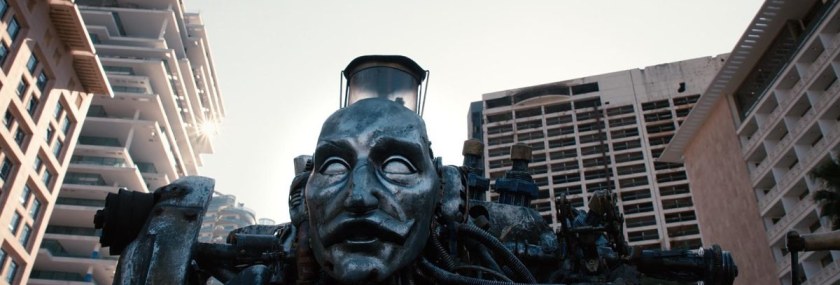
An interview with Fadi Baki, director of Last Days of the Man of Tomorrow We get a sense that Manivelle symbolises or embodies aspects of Lebanon’s history since its independence. Would that be right to say? What were your intentions with the robot? To some extent, yes: Le Nouvel Homme is the loaded gift that France bestows upon its colony that so this […]
An interview with Lobo Mauro, director of Mais Triste que Chuva num Recreio de Colégio Can you explain your choice of title? Is it a Brazilian saying? It’s not a Brazilian saying. There’s a sentence in a book called Os Cus de Judas (“The Land at the End of the World”), by António Lobo Antunes, a Portuguese writer, which says “triste como a chuva […]
An interview with Asher Jelinsky, director of Miller & Son Why did you want the film to take place in a garage? How much were you interested in the physical activities and tools? I wanted the film to take place in a family-owned business, and an auto shop felt like a natural choice as a space ingrained with American values and masculinity. The […]
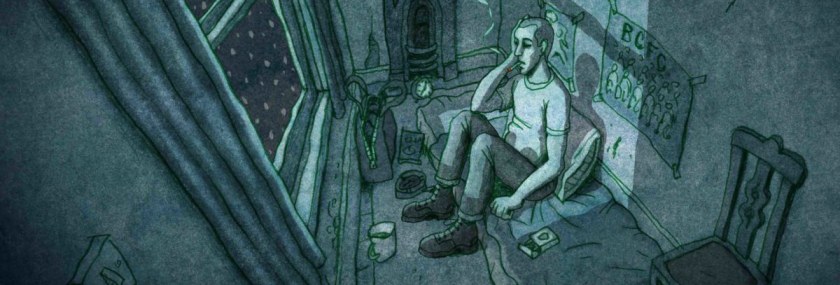
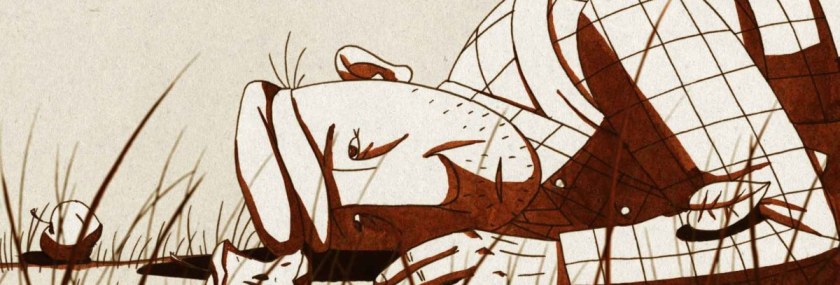
An interview with Jonathan Hodgson, director of Roughhouse Are there any elements of this story that are autobiographical? Are the friends based on people you know? The story is inspired by an episode from my late teens when I was living in a student flat in Liverpool. Some of the characters are based on people I knew at the time, although I have […]
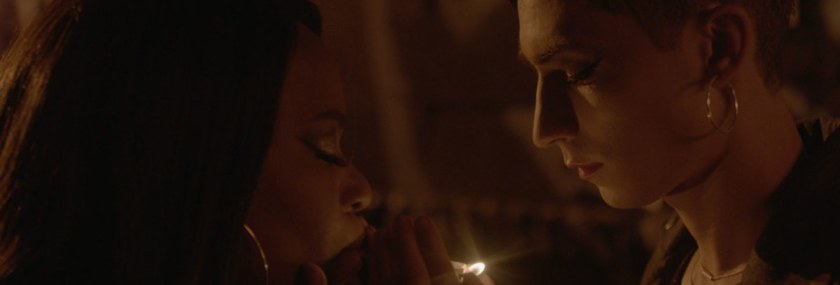
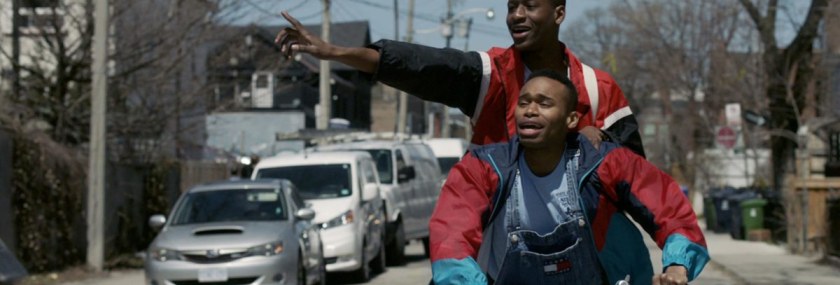
An interview with Joseph Amenta, director of Haus Can you explain the title Haus? The title Haus has many meanings as it pertains to the subject of the film. The direct link to “Haus” is the word “house” which is something our lead, Makai, has recently lost due to the conflicts he has had with his mother’s discovery of him being a queer man. […]
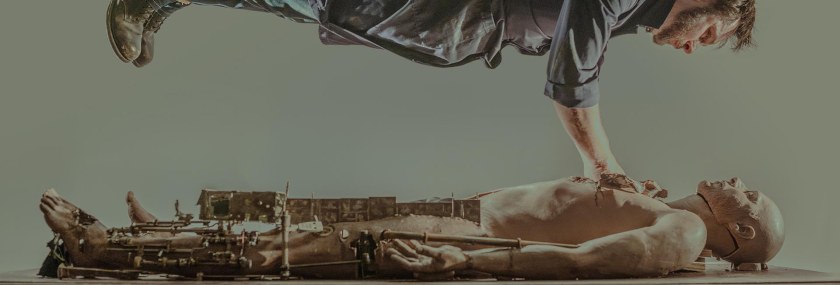
Interview with Patrick Bouchard, director of Le sujet [The Subject] What interested you in the relationship to the body? On the one hand, the relationship to the body is a concrete one, and in this case, quite intimate. It directly calls to our senses and informs us of our state of being. On the other hand, questions of being and of the invisible […]
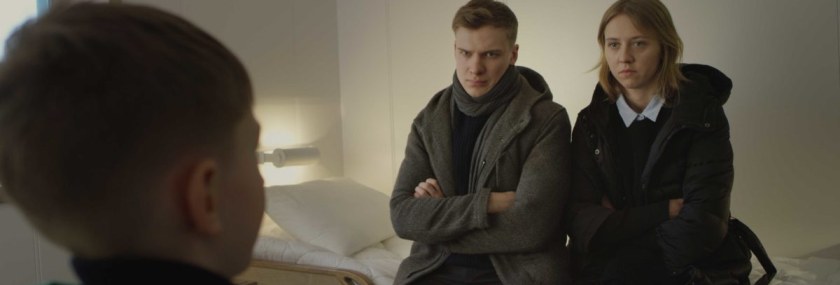
An interview with Vladimir Kott, director of Mama Is there a particular reason you chose to set the film in the middle of the Baltic Sea? The sea for me is a symbol of freedom. Because it’s infinite and whatever direction you look at, you see only the horizon. The Baltic Sea is very specific because a lot of different countries are located […]
An interview with Vladimir Leschiov, director of Elektrika Diena Why did you choose a power cut to kick off the series of events? It is how I feel about the times we are currently living in. There is nervousness, instability, and fragility of relationships between people in the modern world. Light is one of the main conditions for human beings to be safe […]
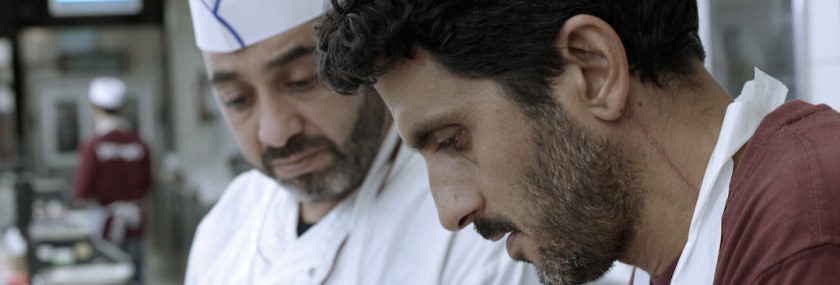
An interview with Yonatan Shehoah, director of Pigua (Terror) How serious is the tension nowadays between Jews and Arabs in Israel? Is polarization increasing? Yes unfortunately, in certain seasons when conflicts and terrorist attacks in the country increase, communication and relations between Arabs and Jews is severely affected, distrust and fear in the streets can be felt even in the air. The political and social […]
competition

NO MORE POSTS TO SHOW